Monday’s Xbox layoffs hit the studios the company owns hard, and are set to continue to do so as the cuts roll through the next year. Workers who remain have to pick up the pieces, including at Bethesda, where a memo from president Jill Braff sets out a new direction for the studio that’s pretty uninspiring.
Published in full at IGN, the memo tells Bethesda staff that “For decades, Bethesda has organized its business around the individual roadmaps of our largely independent development studios, supported by centralized publishing and corporate teams… To best position Bethesda for future growth, we are shifting from a planning model primarily centered on what's next for each independent studio to one that focuses on our strongest franchises and determining the content roadmap that best serves our players and Bethesda as a whole.”
This echoes what Xbox head Asha Sharma wrote in her first memo in early June, where she suggested Xbox had “over extended” itself around games and had “not adequately funded” its “industry defining franchises.”
Braff wrote, “By working more closely across the organization, sharing expertise and capabilities, and focusing our investments on the opportunities with the greatest potential, we believe we can better support our franchises and IP with meaningful long-term potential.”
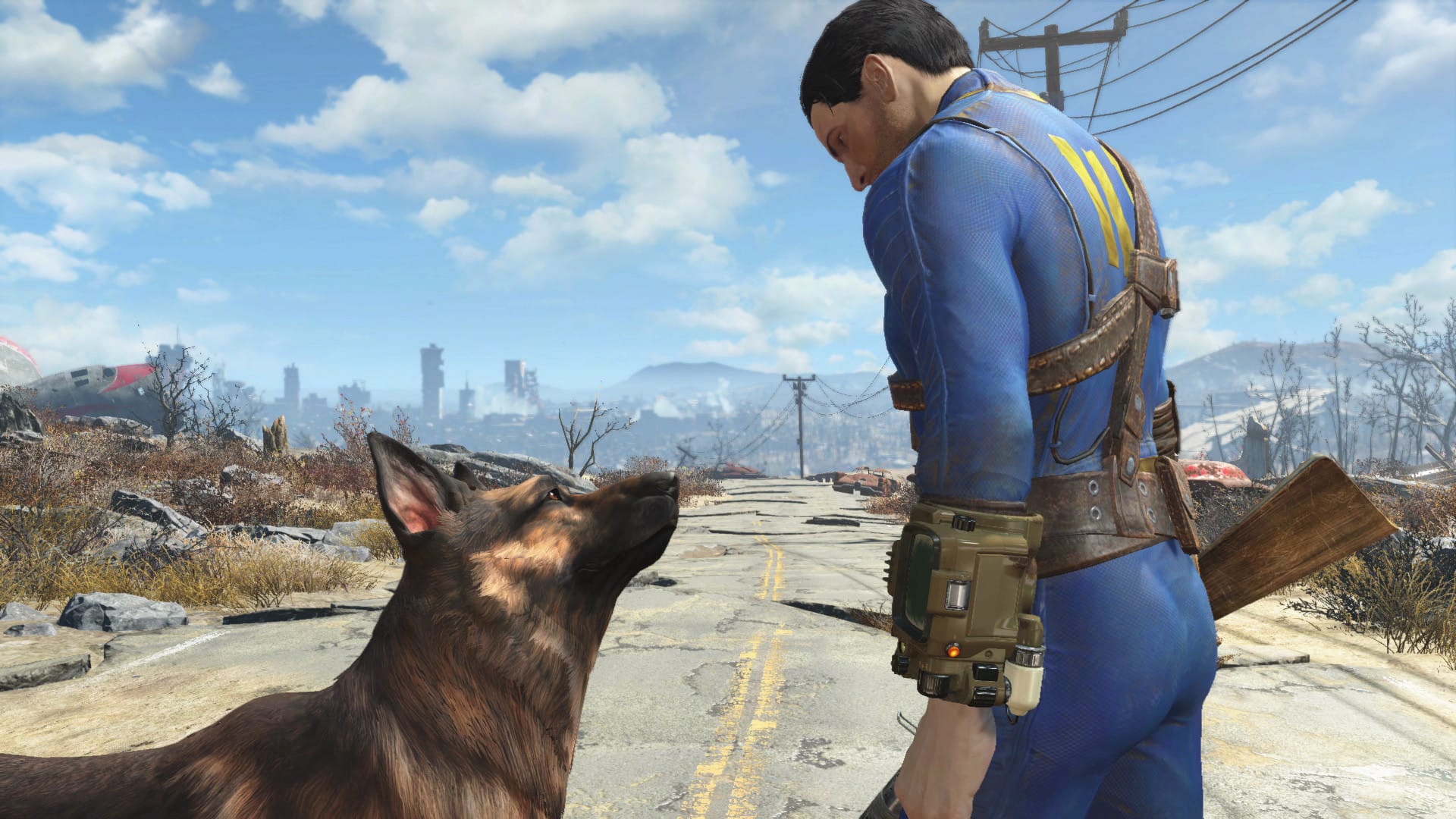
So what does Braff think these “strongest franchises” are? She doesn’t say. There have been large cuts at Doom studio id and The Elder Scrolls Online team. Xbox is interested in capitalizing on the television success of Fallout, but with Fallout 5 existing mostly as SEO-baiting speculation online and no sign of any remasters, there isn’t much to work with there beyond Fallout 76 or mobile game Fallout Shelter. The Elder Scrolls 6 is basically a meme, and I can’t imagine anyone is excited to pay for another version of Skyrim. There’s a Wolfenstein TV show in development, which could light a fire for a new Wolfenstein game, and Bloomberg’s Jason Schreier wrote that Bethesda still plans to work on “Wolfenstein, Doom and Quake.” But as things stand right now, it’s hard to imagine which faucet labelled “successful series” remaining workers are meant to crank on the double until money gushes out.
Of course, this is likely part of what has inspired Xbox’s badly-named “reset,” where the company’s games take a long time to make and can go a long time between new entries. And I certainly understand the business case for “do more of what works.” But even if Schreier writes that Bethesda “will NOT be reduced to only Fallout and The Elder Scrolls,” Braff’s memo feels like it heralds a more risk- and experimentation-averse Bethesda, one where games might be evaluated less on their own merits and more on their potential to become series and media crossovers. Braff writes that Bethesda will bring its “studios’ and teams’ identities, talent, and expertise… together around our franchises and IP,” a bit of requisite business lingo that I find it hard to get excited by.
Reading the memo, I can’t help but think about Arkane Lyon, whose fate is currently in flux as Microsoft negotiates under French labor laws. The studio is making a Blade game, and previously made Deathloop and the Dishonored series. Its US arm Arkane Austin, which made the well-received Prey and less well-received Redfall, was closed by Microsoft in 2024. I don’t personally care much about Blade–the MCU is impenetrable to me–but Dishonored is one of my favorite series: the kind of immersive sim gameplay that’s seen me spend days of my life replaying its levels, set in a distinctive, unique world. The games might not have been breakout hits, and I’ve long given up on any serious hope of more of them, especially when the games I do have will last me a lifetime. But whatever happens to Arkane Lyon, it’s hard to imagine this new Bethesda or this new Xbox being willing to put its money into games cut from the same cloth, into niche genres or wholly-new worlds that might not pay off.
This shift isn’t entirely unique to Xbox–as money gets tighter and making things gets more expensive, games, movies, TV, and more are playing things safe and looking for whatever is closest to a sure-fire hit. And I don’t think this newly-focused Bethesda will sacrifice the quality or creativity of its studios in pursuit of success. But as a fan of the kinds of games Bethesda has been divesting itself from for years now, it’s hard to feel inspired by whatever the company is planning to transform itself into. And it’s hard to see from here how the loss of so many peoples’ jobs could be worth what could come out on the other side: less interesting games, and more profit for Microsoft.
 Log in