Log in



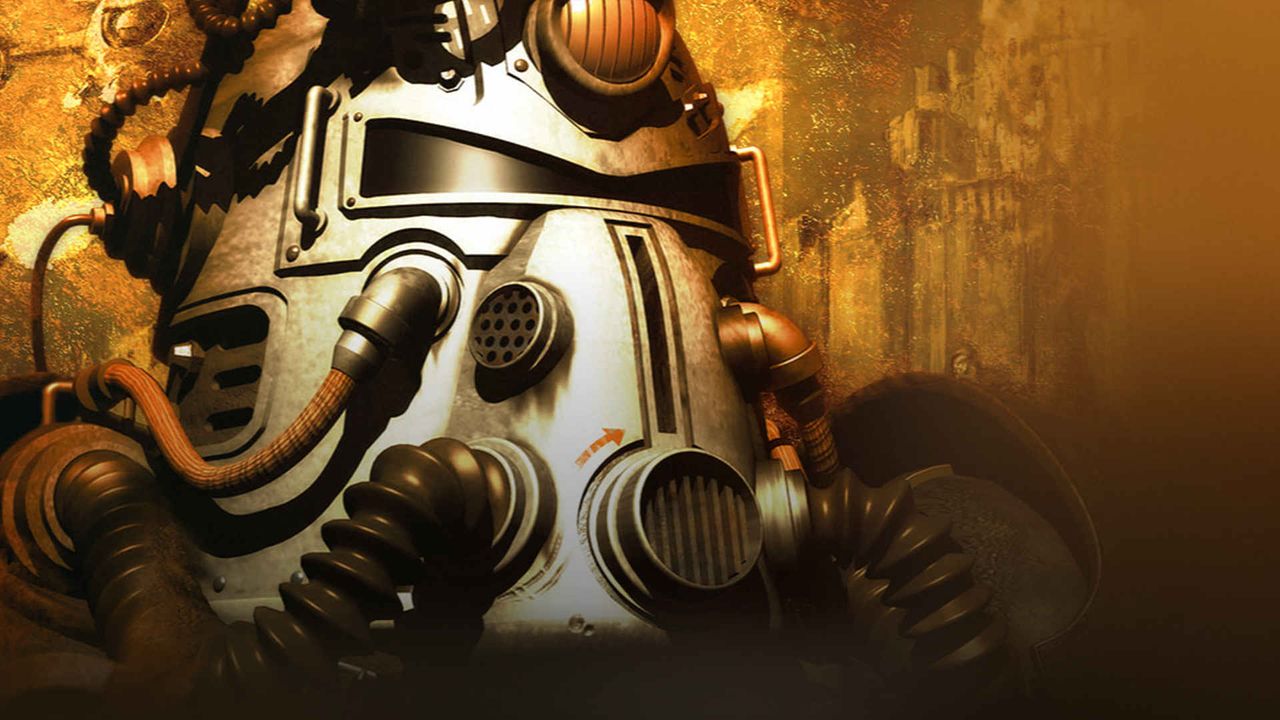
Bethesda wasn't always synonymous with Fallout. A certain generation of hardcore PC RPG fans resented the studio's increasingly mainstream, console-friendly take on role-playing titles, and turning an isometric classic into something like Fallout 3 – ungenerously referred to ahead of launch as "Oblivion with guns" – was treated as something akin to blasphemy. No one felt the pressure more than the developers at Bethesda.
"There was a section of the Fallout fandom that felt that a team famous for making elves and fantasy games should not be touching this series," as Angela Browder, associate art producer at Bethesda at the time, says in Edge magazine issue 419. "It was surprising to us how much hate we got. They were not very happy that we had bought this license."
But the very stature of the Fallout license among RPG enthusiasts made Bethesda's purchase a "no-brainer," according to lead designer Emil Pagliarulo. "I remember talking to Todd Howard, and he asked me, 'What do you think about this?' And it was like, 'Come on. It's Fallout.'"
Originally, Bethesda merely licensed the Fallout IP from original developer Interplay, but when the latter studio's financial situation became dire in the '00s, it needed to start selling off its assets. Troika Games, founded by some of the original leads of the first two Fallout games, considered making a bid for the IP, but the studio had no hope of matching Bethesda's $6 million offer.
But just because Bethesda's Fallout looked a whole lot different from Interplay's didn't mean the new group of developers weren't trying to treat the source material with respect. Fallout 3's story, where you work to provide clean water to the Capital Wasteland, is a direct tribute to the original game's quest to repair your home's water purifier.
Pagliarulo says inspiration for Fallout 3's story struck him as he was looking at a map of Washington DC and the Tidal Basin. "And that was it, right there: 'It's got to be about water. It's got to go back to those original themes of Fallout 1 where it's just about survival and just about something simple.'"
There are still Fallout fans who swear by the original two Interplay games, but if you measure success by numbers, there's no denying that Bethesda has had the last laugh. The audience for Fallout games became orders of magnitude bigger in the Bethesda era, and the fandom is only growing with the success of the Fallout TV show.
"You look at the amount of fans that Fallout had for 1 and 2, which expanded with 3 and expanded with 4, and now you have a television show," Browder concludes. "That, to me, is the success of it – all these people who became lifers."
Old-school fans might want to look away from our ranking of the best Fallout games.