Log in



Marvel Tōkon—the all-out 4v4 tag fighter from 2D fighting game veteran ArcSystem Works—didn't get off on the best foot with PC players. Forced PSN logins and frame drops that were leading to a whopping eight frames of rollback in online modes saw the game launch to "Mixed" reviews, before eventually tanking to "Mostly Negative" over the weekend.
And while there's zero chance of the PSN stuff going away, ArcSys has at least been speedy about trying to tackle those pesky frame drops. A patch earlier this week has done the bulk of the work on optimising performance, leaving the game a helluva lot smoother for it.
It turns out that one of the primary culprits was the game regularly checking for audio inputs, of all things. According to the patch notes: "These unnecessary checks could cause sudden frame drops and performance drops. This has now been addressed."
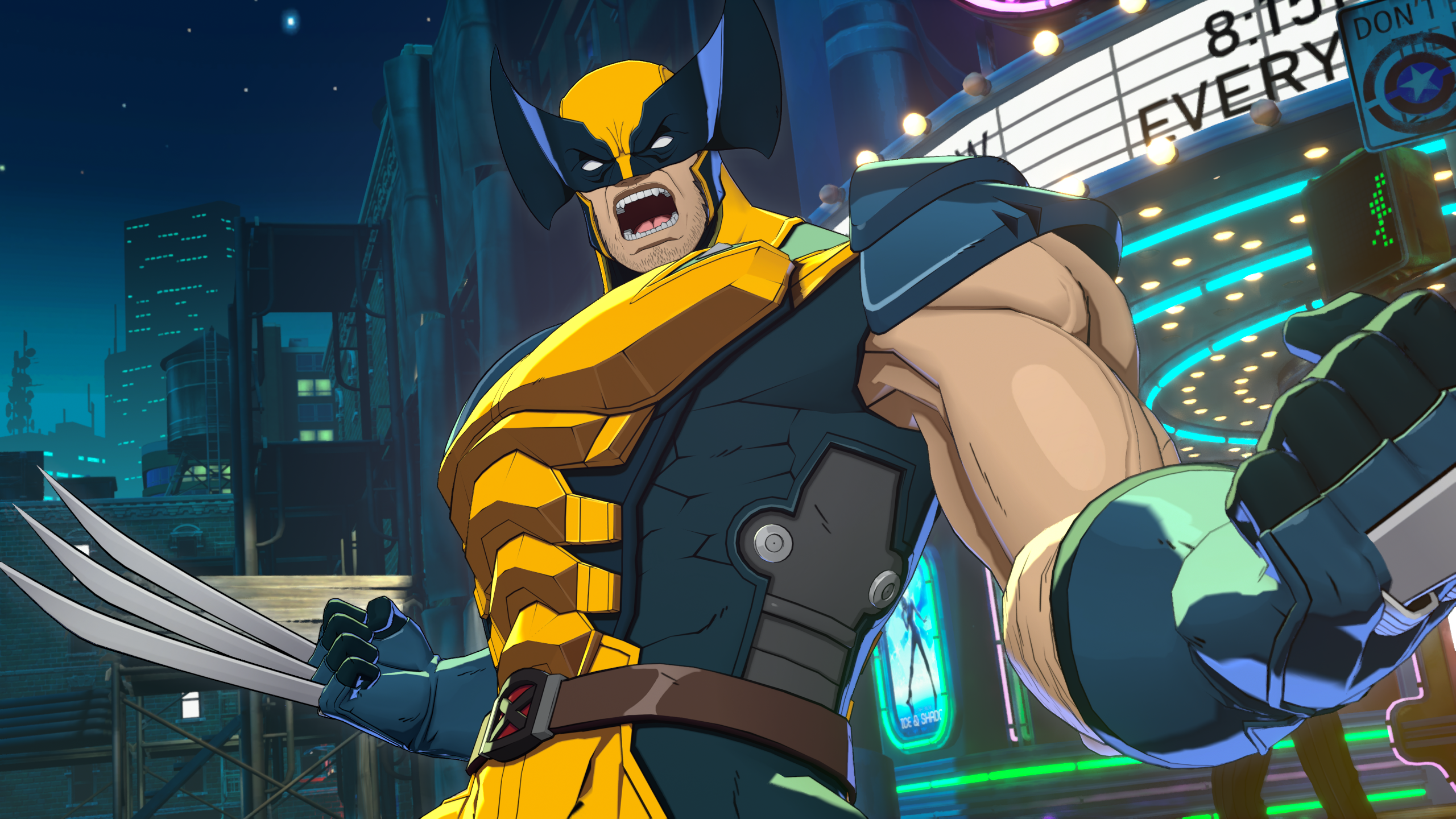
The patch has also reduced overall CPU usage, including addressing an issue where "the CPU ran high throughout the startup process," and one where "additional load on the system was being created due to periodic audio processing during matches."
It seems to have had a positive effect overall—the game's Steam rating is back up to Mixed since the patch landed, and from my own time playing, I've definitely noticed a smoother experience overall. It doesn't seem to have completely fixed the PC port, however, at least not for some folk.
A handful of Steam reviews are still complaining that the game is struggling to hit 60fps, with those performance dips still leading to rollback frames that would teeter into unplayable. I've also experienced lower framerates here and there—even in parts you wouldn't expect, like the Episode cutscenes—but it is still undeniably in far better shape than it was at launch.
Unfortunately, as it stands, a framerate fix doesn't seem to be stemming the tide of negative reviews criticising Sony's forced PSN login. It's a situation we've already seen back when Helldivers 2 pivoted to a mandatory sign-in, which was received just as poorly as it is now—and one that Sony is incredibly unlikely to back down on.