I'm a gamer. I grew up in and around one of the best cities anywhere, Austin, Tx. Head down if you like live music or games!
142727 stories
·
8 followers

"Defending yourself is no longer treated the same as starting a fight": Arc Raiders devs update matchmaking, explain how it really works, and shoot down player theories

1 Share

Clearing up months of speculation, Arc Raiders developer Embark Studios released a detailed breakdown of how the game's matchmaking works alongside an update packing two major changes to that system.

These matchmaking changes are "live now," and Embark will "keep tuning" as players respond to them.

Firstly, Embark says in a new post, "defending yourself is no longer treated the same as starting a fight." Until now, though Embark was able to track who shoots first, it appears the flow of an engagement was weighted in such a way that "your playstyle," as the system evaluates you, "didn't capture whether you started a PvP encounter or merely defended yourself."

"This meant cautious Raiders could be treated as more PvP-focused than they actually are," Embark says. "Now, the two are treated differently."

Secondly, "low-activity rounds carry less weight in your playstyle history." This seems aimed at the tactic of spawning in on free kits and instantly surrendering to bring down your perceived aggression rating (which Embark calls a misnomer). Looking at short runs in general, "reducing their weight helps the system reflect how you genuinely play when you're out there making choices," Embark says.

Your "playstyle" is the recurring theme of Embark's matchmaking explainer. The studio says it wanted to prioritize "fairness" and "enjoyment" with matches, and it found that "matching players based on playstyle drives enjoyment and reduces friction."

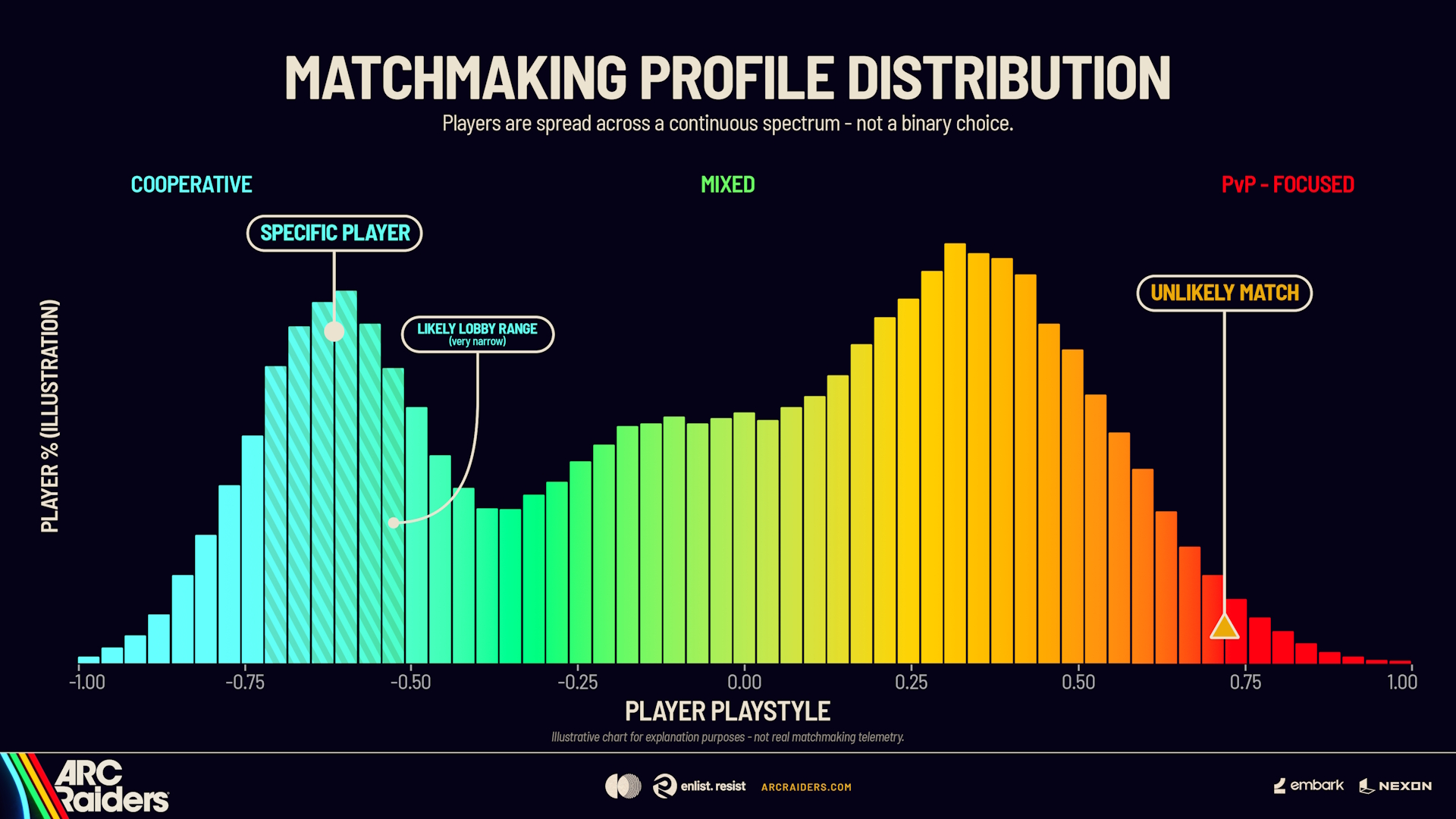
"We take multiple factors into account when forming a lobby," the devs explain. "One of the strongest is your playstyle across previous rounds, especially as it relates to how you engage with other Raiders. It's important to understand that playstyles aren't binary. This isn't 'friendly' vs. 'shoot on sight.' It's a continuous scale."
Arc Raiders

(Image credit: Embark Studios)

This is Embark once again dismantling the idea of friendly or PvP lobbies. "Our system tries to place you with players who sit closer to you on that scale, while still keeping Topside from becoming completely predictable," it says.

As such, you are more "likely" to be matched with players who are close to you on the playstyle distribution graph, which Embark visualizes using "cooperative, mixed, and PvP-focused" styles. If you're over in cooperative camp, the bloodthirsty PvP players are an "unlikely" but never impossible match.

Embark stresses that "your behavior shapes your future lobbies - gradually," not as a result of individual rounds or knee-jerk punishments. This sets up a list of myths, many of which still circulate among players, regarding matchmaking and ways to game it.

Here's the full list of Arc Raiders matchmaking myths that Embark has shut down.

  • "There are not only two kinds of lobbies - friendly and aggressive"
  • "One shot or kill does not immediately put you in 'PvP-focused' lobbies"
  • "There are no 'PvE-only' lobbies/servers where other Raiders will never attack you"
  • "Your end-of-round feedback does not affect matchmaking"
  • "Your loadout does not affect matchmaking"
  • "Patches and updates don't reset your matchmaking profile"
  • "Looting knocked-out players doesn't affect your matchmaking"
  • "We don't matchmake based only on the squad leader"
  • "Turning crossplay on or off does not impact the level of cooperation / PvP in the round"

I know from experience that it's easy to fall into some of these theories, either because you unwittingly look for confirmation or you overestimate a string of coincidences. Turning off crossplay is (or certainly was) common advice among PC players looking to avoid the scourge of barbaric console players, for instance. It's also hilarious to me to have confirmation that my history of violence is, in fact, dragging my pacifist friend into a warzone when we play together, no matter who leads the squad.

The stated goal for Arc Raiders matchmaking is to avoid removing danger from lobbies, or making them too predictable, while also nudging like-minded players toward each other. As production director Caigo Braga told us last month, "players shouldn't feel fully safe," but they shouldn't all be dragged into intense firefights every match either.
Arc Raiders devs know everyone just uses the Survivor augment, so they're buffing "underperforming" options to make loadouts more interesting.


Read the whole story
Jagmas
27 minutes ago
reply
Round Rock, Texas
Share this story
Delete

Ubisoft says expect more Assassin's Creed, Far Cry, and Ghost Recon in the next 3 years, and "a return to higher quality standards"

1 Share

Ubisoft says more games from flagship brands like Assassin's Creed, Far Cry, and Ghost Recon are on their way with even better quality than what the publisher has demonstrated in new releases like "Assassin's Creed Shadows, Anno 117: Pax Romana and the Avatar: Frontiers of Pandora expansion."

Each of these games managed to achieve "above 80 Metacritic scores," Ubisoft boasts in the earnings report posted on its website May 20, but the company looks forward to an even higher-caliber, "significantly bigger content pipeline" through 2029.

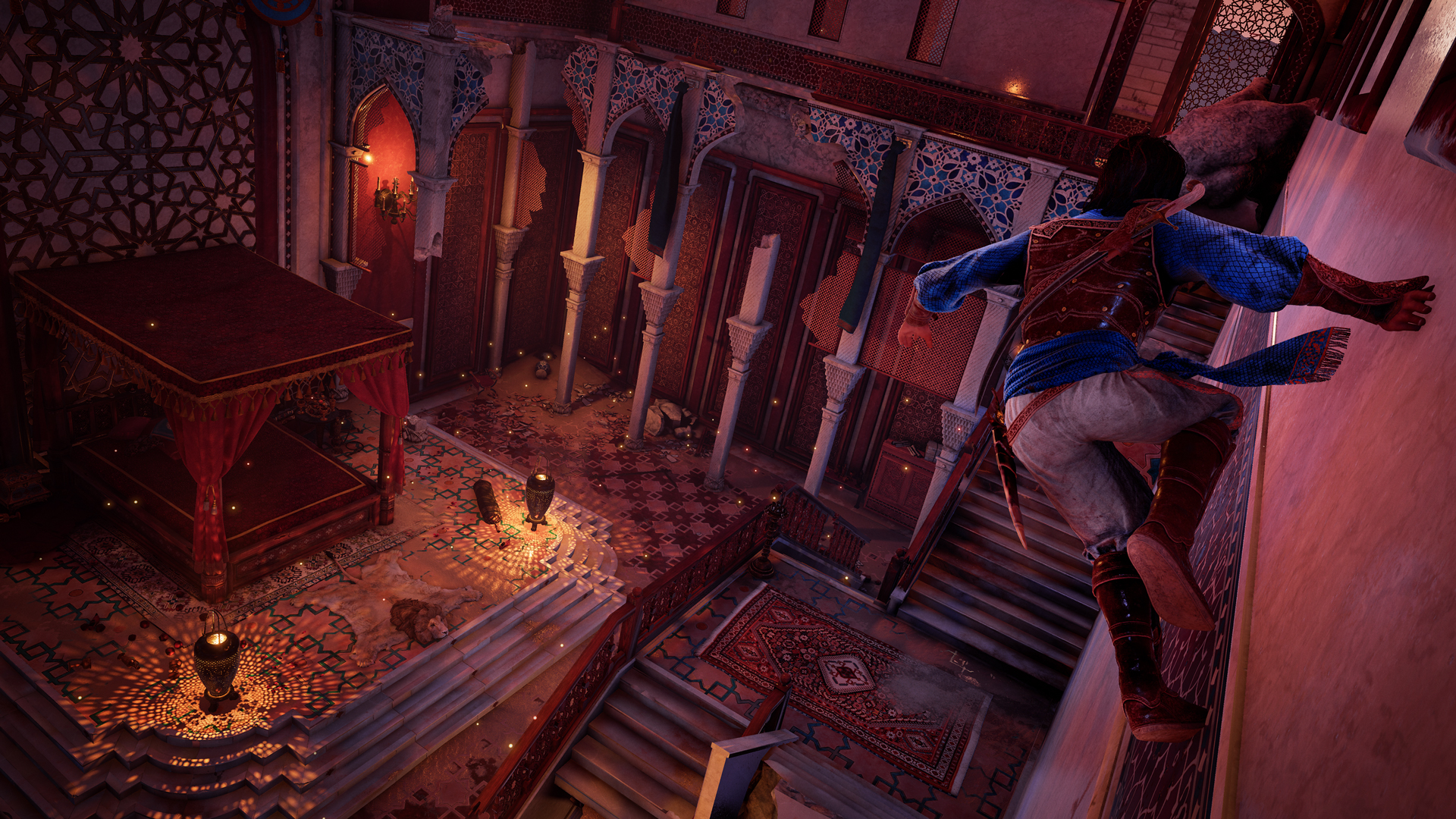
This maxed-out calendar was made possible by "discontinuing 7 projects and delaying 6 others to maximize long-term value" earlier this year, says Ubisoft, recalling when it laid waste to the Prince of Persia: The Sands of Time remake and other anticipated games. At the time, CEO and founder Yves Guillemot emphasized that the AAA game industry was becoming "persistently more selective and competitive with rising development costs and greater challenges in creating brands."

Sands of time

(Image credit: Ubisoft)

That was the prologue to what Ubisoft describes as "a return to higher quality standards" in its earnings report. Guillemot now says the company is eager to show players it's "capable of consistently delivering high-quality experiences" in a "sustained release cadence" empowered by those game delays, as well as studio closures that helped Ubisoft staff numbers tumble by 1,200 employees since last year.

Looking to "boost teams’ creativity and efficiency" and "enhance player experience," Ubisoft repeats its excitement about generative AI and shares that it's "accelerating investments" on its in-game Teammates companions. Meanwhile, Ubisoft developers are apparently "making tangible progress organically on AI applications."

It's vague, but it's a commitment: Ubisoft keeps going all-in on generative AI, and it says it's got better games in the pipe. It's probably reasonable to expect, then, an increased presence of AI tech in Ubisoft's next three years of releases, quality pending.

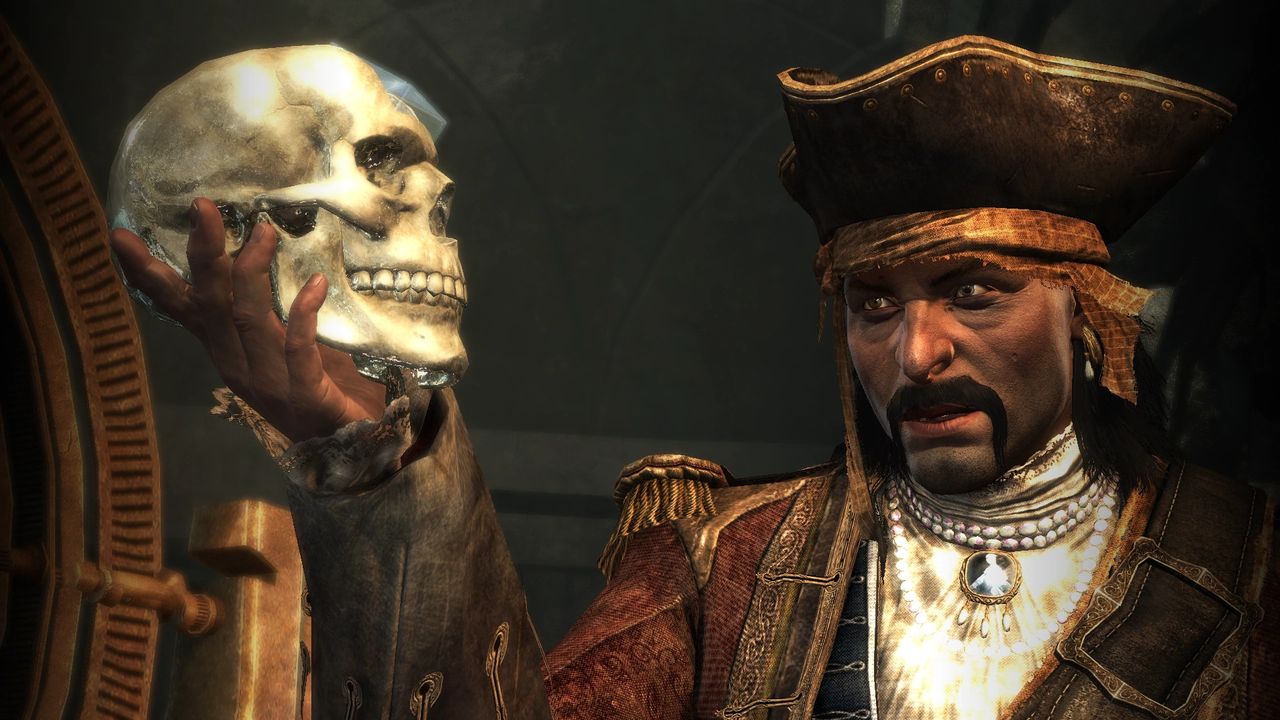
Former Assassin's Creed Hexe lead says Ubisoft probably would have looked into AI-powered NPCs for one of his older games if the tech were more advanced at that time.


Read the whole story
Jagmas
28 minutes ago
reply
Round Rock, Texas
Share this story
Delete

Heroes of the Storm and Hearthstone tackle balance, Overwatch features evil science in latest lore vid

1 Share
It’s everyone’s favorite random time of the week. The time when Blizzard’s games put out smaller news bites that we collect into a stick of informational dango. Maybe even served by some extremely skillful cats. We’ll begin with Heroes of the Storm, which has put out a little balancing patch that makes some targeted tweaks to the Haunted […]
Read the whole story
Jagmas
28 minutes ago
reply
Round Rock, Texas
Share this story
Delete

Ubisoft confirms new Assassin's Creed, Far Cry, and Ghost Recon games are coming before April 2029

1 Share

Ubisoft has outlined its future slate of releases as part of its latest earnings report, confirming the next Assassin's Creed game - seemingly a reference to the previously announced Codename Hexe - will launch before the end of its 2028-2029 financial year. That's in addition to new entries for Ghost Recon and Far Cry.

Read more

Read the whole story
Jagmas
29 minutes ago
reply
Round Rock, Texas
Share this story
Delete

Splitgate 2 Developers’ Titanfall-Esque Game ‘EMPULSE’ Goes Live on Steam Ahead of Announcement

1 Share

Splitgate 2 developers 1047 Games have seen their next game, EMPULSE, go live on Steam ahead of the game's official announcement, which is expected at Summer Game Fest.

The post Splitgate 2 Developers’ Titanfall-Esque Game ‘EMPULSE’ Goes Live on Steam Ahead of Announcement appeared first on Insider Gaming.

Read the whole story
Jagmas
33 minutes ago
reply
Round Rock, Texas
Share this story
Delete

Deep Rock Galactic: Rogue Core is a good roguelite shooter, but a little less special than the game that spawned it

1 Share

In the dwarven caste system of Deep Rock Galactic, the Reclaimers are the elite of the elite, too skilled to waste their talents and training on mining. Except, well, they're still dwarves, which means any trip into the depths of new Deep Rock spin-off Rogue Core will still see you breaking out the pickaxe to chip away at minerals here and there between shooting waves of monsters.

Being the mining company's equivalent of a Navy SEALs actually seems like kind of a bad deal. Shooting monsters is fun and all, but humans, Protoss, every species has a squad of gun-toting toughs who've raced against the clock to take down a boss before time runs out. It's the miner dwarves doing an honest day's work who really have it made. Who else gets to pop into the mines for a 10-minute egg hunt one day, then on the next establish a mining facility with a network of pipes snaking through tunnels dug by their own hand? When that gets stale, there's always a drilldozer to escort or mining robots to find and repair.

That's my roundabout way of saying that the real treat of Deep Rock Galactic, still going strong after eight years, is that it looks like a conventional co-op shooter but doesn't really play like one. Exploration and collaborative problem-solving using each dwarven class's unique utilities (a zipline, a platform gun, a big ol' set of drills) take priority over killing enemies, and its many updates over the years cemented it as the co-op FPS to play if you always fancied capture the flag over team deathmatch.

Deep Rock Galactic Rogue Core dwarf roguelite FPS

(Image credit: Ghost Ship Games)

With Rogue Core, Deep Rock's developers have reverse-engineered their one-of-a-kind co-op game into a far more conventional shooter. Rogue Core is polished, competent, and a good time with a couple buddies in a Discord chat, but samey runs and a drip feed of modest upgrades don't give it the dramatic peaks of my favorite roguelikes.

Here's the gist of Rogue Core's structure:

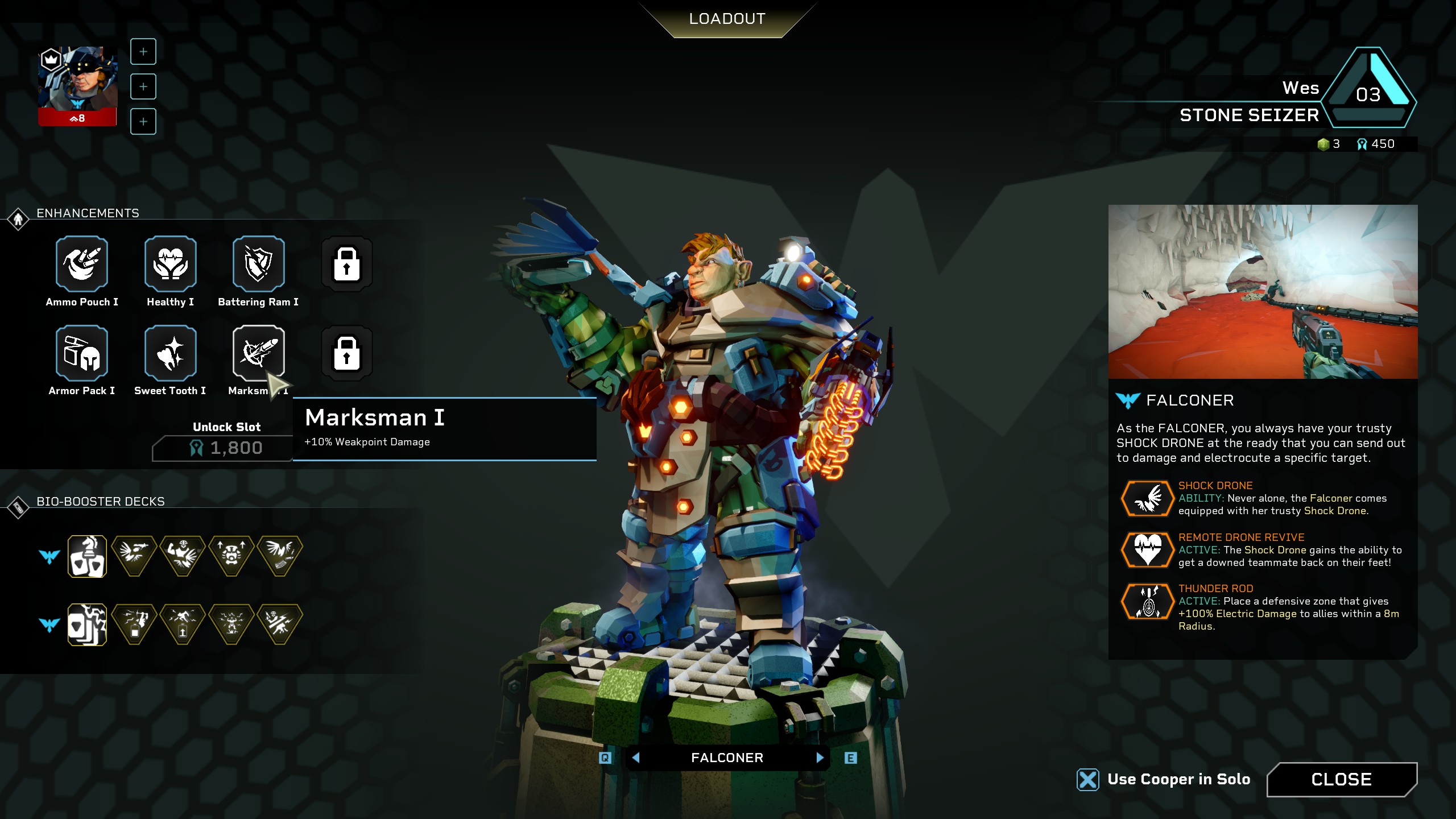
  • Pick one of five classes and fill in your unlockable enhancement slots with perks like "+25 base health" and "+5% reload speed"
  • Pick a mission, which at least from what I've seen so far is always the same mission: race through a mine, call the elevator, defend it, and repeat until you reach the same boss fight at the end
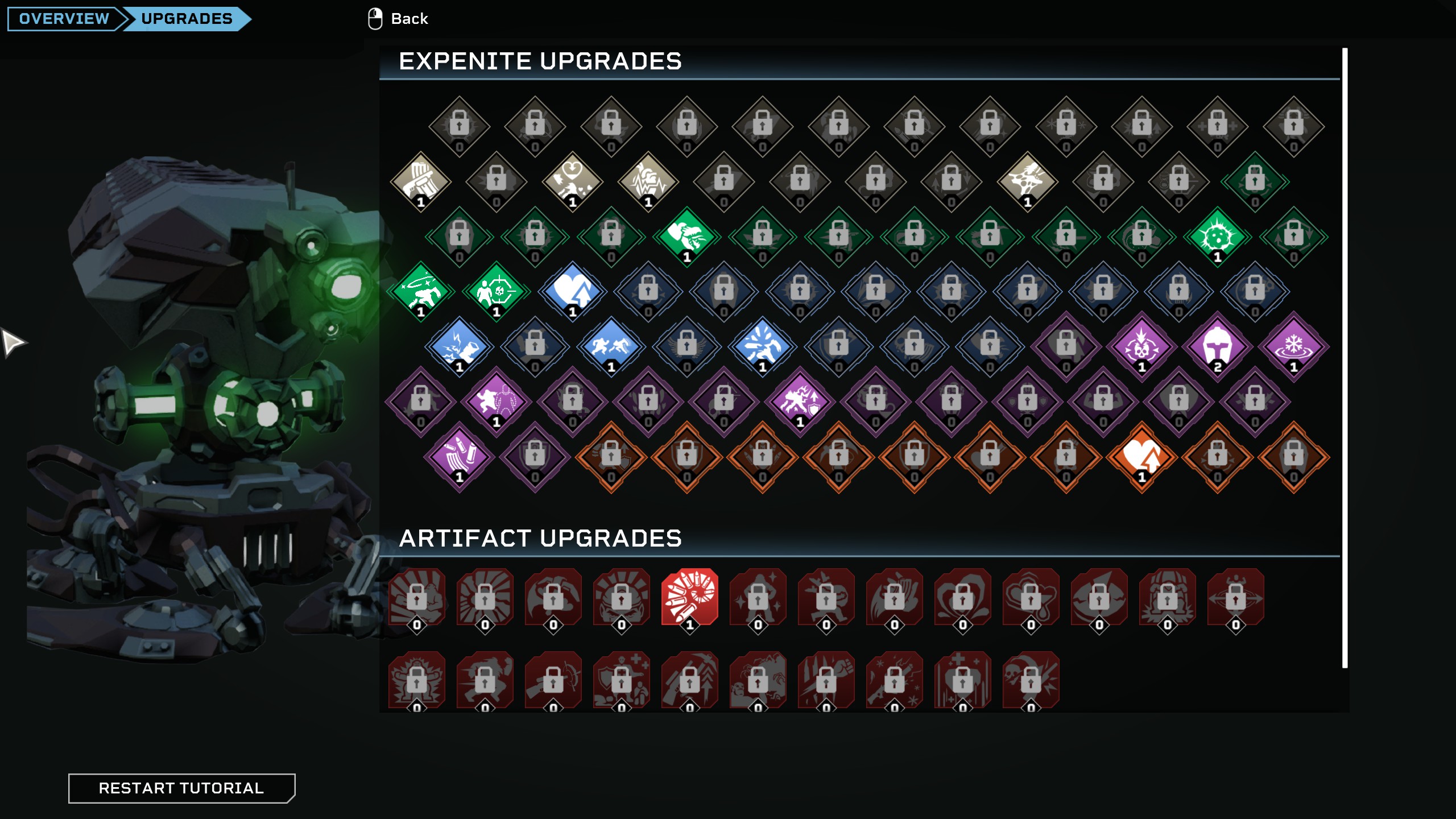
  • Mine the resource that allows you to level up your gear mid-run as efficiently as possible, while occasionally veering off to a side objective that will probably reward you more of that resource, or an upgrade that ends up feeling a bit more substantial
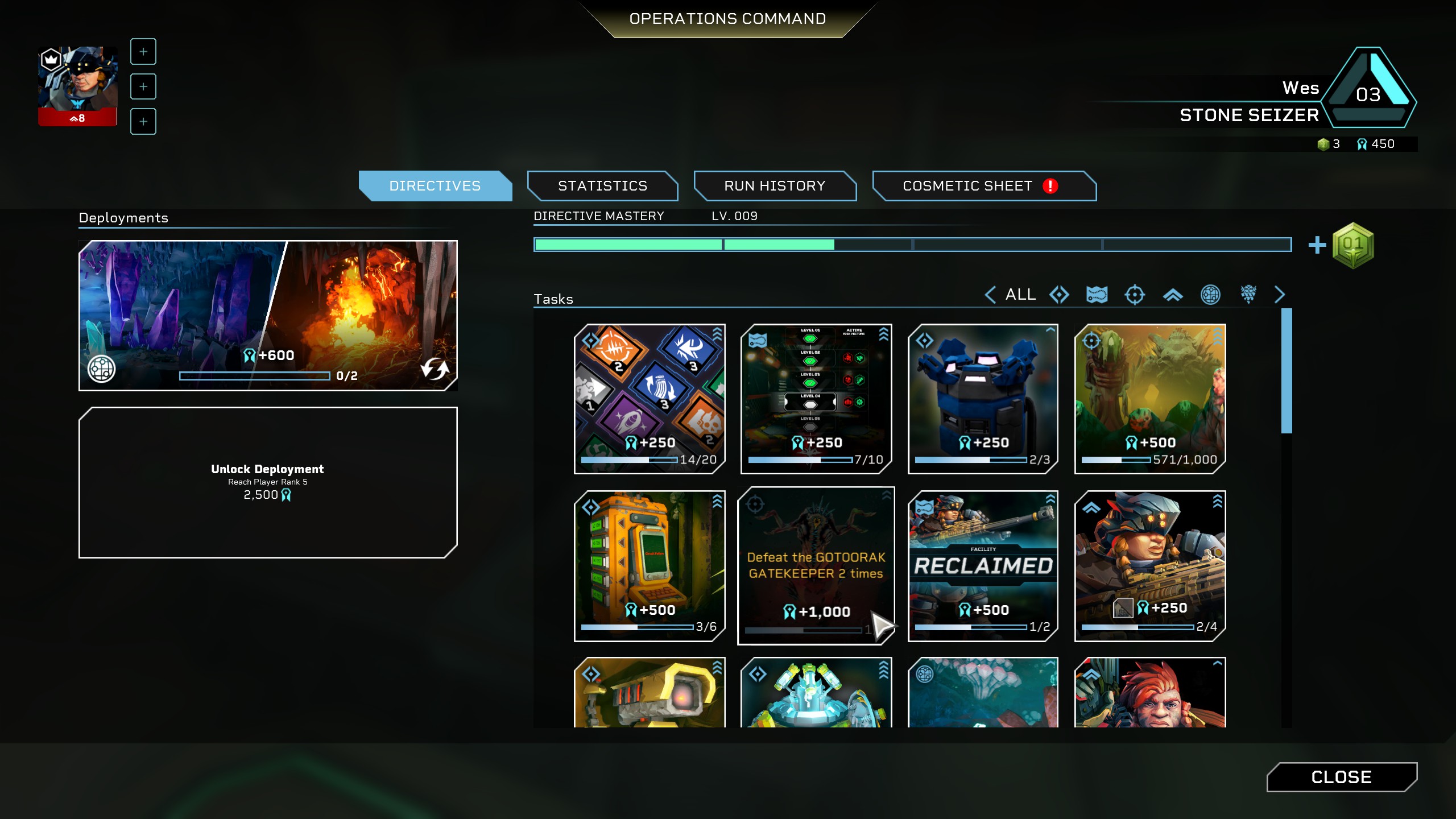
  • Return to the hub, collect your bonus points for achievements like "downloading data from six terminals" and use those to unlock more minor upgrades

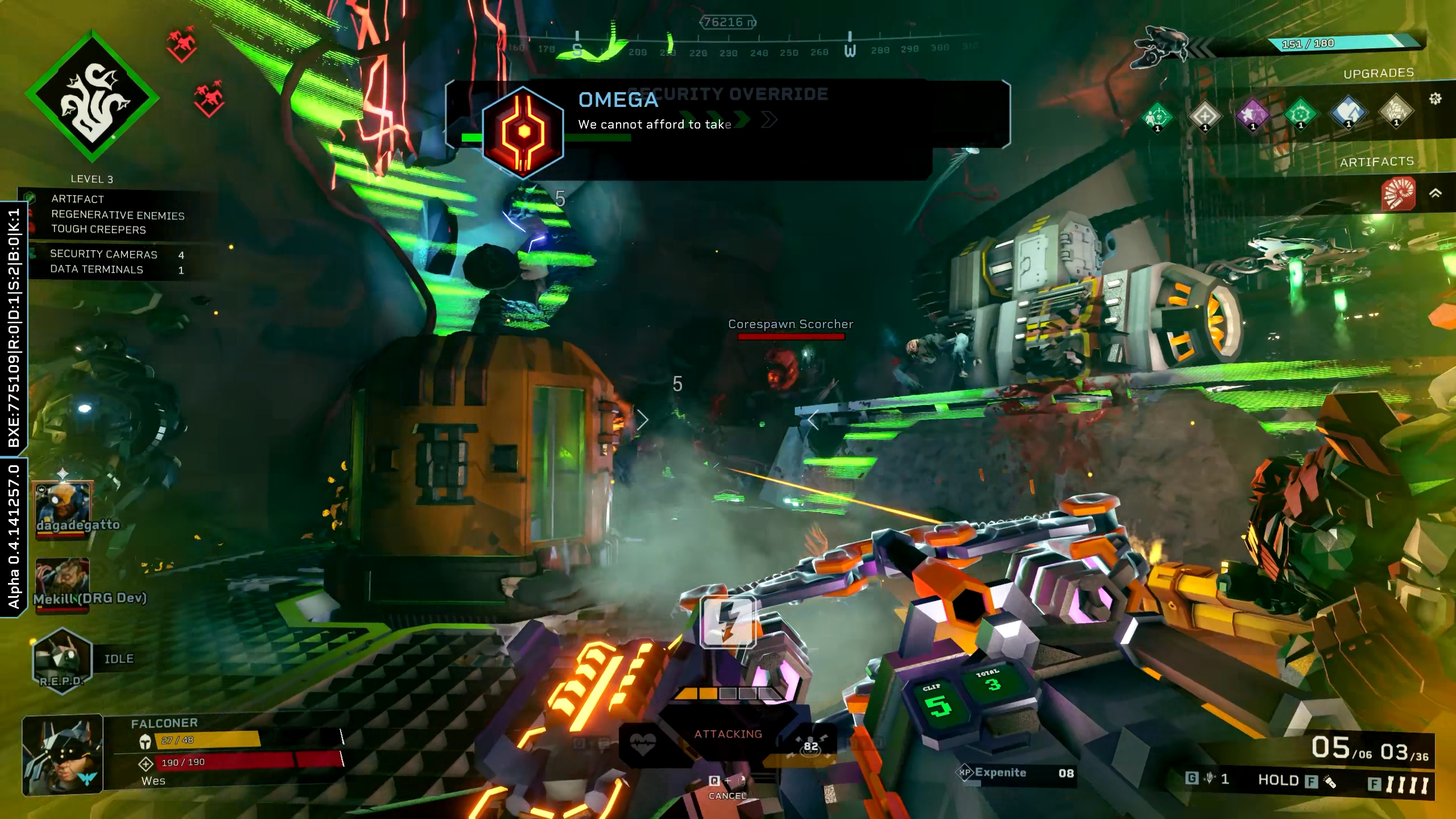
In theory, I like the ways Rogue Core's developers have tried to encourage teamwork. When you collectively mine enough of the neon green upgrade crystal, expenite, everyone has to gather together to take turns picking from a random array of perks, jockeying over who should get a rare or epic option. A few classes have abilities that deploy around them—I've mostly been playing as the Falconer, who can pop down a bubble that makes my allies deal electric damage for 15 seconds. The Guardian can drop a zone that restores armor, critical for surviving big enemy waves.

Using those abilities effectively requires being more locked in to exactly where your teammates are and what they're doing than I think this style of hangout co-op game is really geared towards, which is why I had the most fun with Rogue Core's Retcon class. Her main ability lets you rewind time for yourself, reversing damage you've recently accrued, with a complementary ability that makes you hit harder the more damage you take. At no point does this require me asking my teammates to come stand inside a circle.

More expenite, more problems

Deep Rock Galactic Rogue Core dwarf roguelite FPS
Ghost Ship Games
Deep Rock Galactic Rogue Core dwarf roguelite FPS
Ghost Ship Games
Deep Rock Galactic Rogue Core dwarf roguelite FPS
Ghost Ship Games

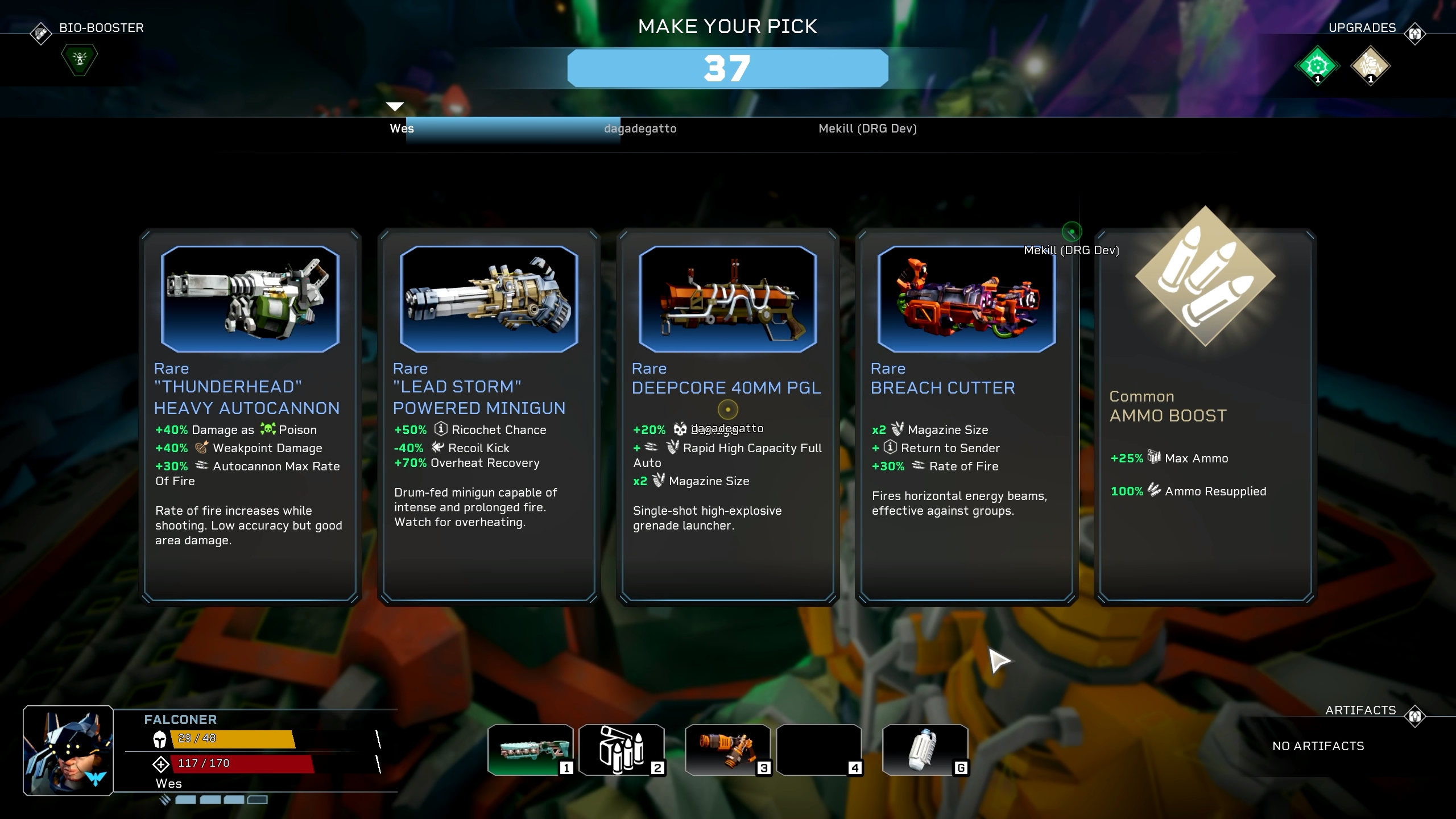
The process of picking upgrades as a team is also not entirely a slam dunk, both because it feels like it slows down the game—everything pauses once you launch the upgrade menu together—and because the upgrades are often a bit underwhelming. A buff to crit chance, 10% improved cooldown, that sort of thing. There are more exciting ones, but so far the Rogue Core runs that have handed me a gun that chains electric damage from one enemy to another, and a random upgrade that makes electrified enemies explode, feel more like the exception than the expectation.

The power scaling (both of the upgrades Rogue Core throws at you in a run and in its meta progression) seem geared around the fear that players will run out of things to do too quickly and start pounding the Steam review score in frustration. Each class has a "bio booster deck"—because every roguelite is required by law to use cards somehow!—but they aren't customizable until you've "ascended" two max level classes, which will take many hours of play.

(Image credit: Ghost Ship Games)

There are a bunch of guns, but unlike in loot-based games like Darktide, you don't get to build up a specialized arsenal in Rogue Core and dedicate resources to speccing it out, or choose to shape a build around it. You just pick a random gun from the equipment locker at the start of a run. The guns that are there are quite fun to shoot, some chunky and some pingy with hit feedback refined from years of Deep Rock development. There are a bunch of elemental attributes that are as exciting as they are in any game—I love freezing a whole pile of skittering monsters with a perfectly lobbed cryo grenade.

Moment-to-moment it's pleasant, and sometimes even hectic and exciting when you run up against the mission timer and have to race to the elevator. But Rogue Core seems to take it for granted that I'll want to play the same exact mission dozens and dozens of times, and is using the structure of a roguelite to simply dole out tiny incremental rewards for doing so. It locks down many of the interactive side objectives in the mines until your character is higher level, denying early runs from the spice a little extra variety would give them.

The other way to design a roguelite, the Risk of Rain 2 way, is to shower the player with power-ups that embrace the chaotic potential of wildly imbalanced builds. You stack and you stack and you stack. You rarely slow down to pick between three, because you'll likely end a run with so many items that you're playing your character in an entirely different way by the end of a run than when you began it.

Deep Rock Galactic doesn't need that sort of exponential power fantasy, because the missions are short, each dwarf has a distinct role to fill, and fending off enemies is more about survival than sadism. Rogue Core, at least in its early access launch, doesn't have that clarity of purpose, leaving its Reclaimers stuck with a bit of a ho-hum life.

If they're really the elite of the elite, they deserve an arsenal with the child safety locks turned off.

2026 games: All the upcoming games
Best PC games: Our all-time favorites
Free PC games: Freebie fest
Best FPS games: Finest gunplay
Best RPGs: Grand adventures
Best co-op games: Better together


Read the whole story
Jagmas
1 hour ago
reply
Round Rock, Texas
Share this story
Delete
Next Page of Stories